
The queer kid in me will always be happy to see LGBTQ stories told in media. The thing is that there needs to be a story. I remember when I was a teenager and any series or movie with a vaguely queer adjacent side plot would hook me, because no one was telling those stories. And even though I didn’t know who I was and much less what I would turn out to be, I knew that those dissident stories were important. They still are.
Even if they were literally less than a quarter of the running time. Even if the representation was lackluster. Even if the queer interaction in question was rooted in lust and secrecy. I was craving for any sort of queer visibility. Even lesbians rocked my world; as a gay man, I was VERY invested in the lesbian romance in the second generation of Skins.
This is why I loathe being overly critical with queer art. There’s always the shadow of that eternal debate: Is bad representation better or worse than no representation at all?
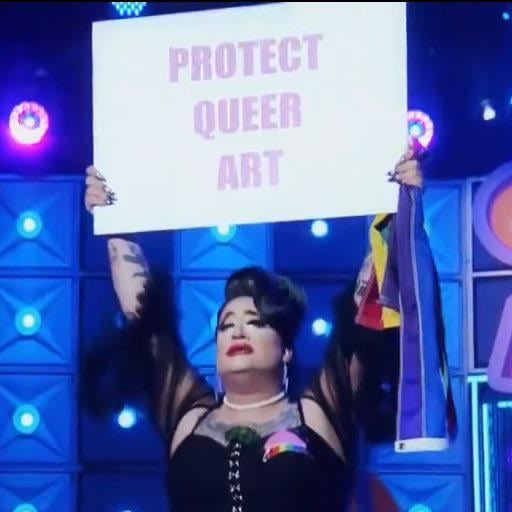
I do not have the answers, obviously, and I am sure that a more unbearable person will have all the academia around it; but, you know what? Maybe some queer voices need to be silenced.
Drifter looks cute. And conveys a certain sense of reality, of slice of life. A lot of intimate moments are very well written and acted, and the overarching plot of Moritz (played by Lorenz Hochhuth) is interesting. It is commonplace for a queer AMAB to live that pipeline of dealing with internalized homophobia and the struggles of finding balance between the day and the night. Changing houses, relying into acquaintances to couch surf and having serious doubts about how male gays handle relationships is the never-ending story of us the Kylie Minogue gays. This is why it hurts me how badly the story is told.
Drifter is like trying to know someone through their Instagram pics. Looks good, is curated and gives you some bits and pieces, but somehow, forgets about showing some very important key points about Moritz.
There is no talk about money, job struggles or similar issues (capital sin nowadays), what makes us think that perhaps the writers don’t think that portraying struggles as such is interesting. Queer people and economic problems go hand in hand, particularly when we make the leap to move to a bigger city to find ourselves. Is Moritz an expert in his industry, or is he a trust fund kid? We will never know.
It feels like the movie highlights minor life experiences like casual sex or partying, which are masterfully shown, but at the same time, we don’t know where the protagonist lives or what is he going through. Real breakthroughs like deconstructing his masculinity (kind of) going hand in hand with his gender non-conforming friend feel rushed, squeezed in the last minute when the movie suddenly decides that a colorful tank top in a sunlit birthday rave is a good time to finish, without concluding any of the open storylines, because perhaps, there was not much of a plot to finish to begin with.
Maybe this is me asking too much, but I would love for queer stories to talk about bad jobs and summer flings in other cities. I would love to use gender non-conforming individuals as more than a token character to lead the deconstruction of masculinity. I’d love for trans people to have love stories, to have careers. I would love for sex to be shown in a tender way, and not just -in the very real and respectable- transactional nature that (I feel like) we are vindicating time and time again. I would love to have queer stories that are not about clubbing, sex and drugs. But maybe it is asking for too much.
 Peiopinu Unfiltered